How to Develop Emotional Intelligence in Everyday Life
Jake sat in his dorm room staring at his phone. His roommate just texted saying he was moving out next semester. No explanation. Just a short message that felt like
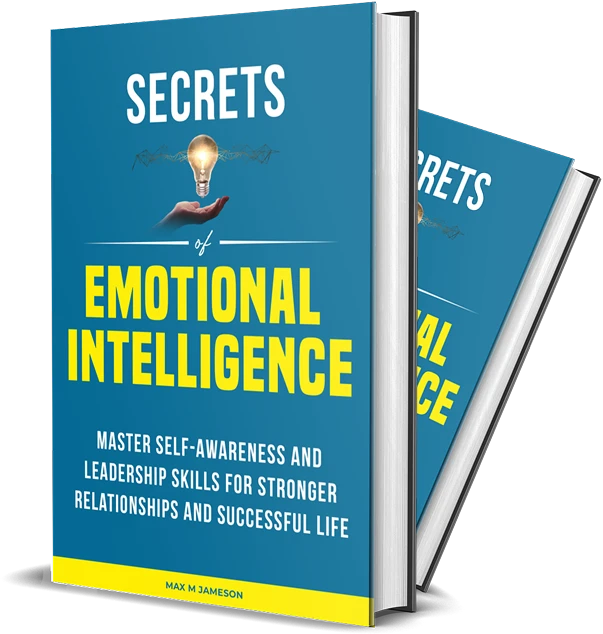
Learn the power of emotional intelligence to strengthen relationships and improve your personal and professional life.
Max M. Jameson is a lifelong student of human behavior and emotional intelligence. His insights come from decades of real-life experience, philanthropy, and mentoring.
What if emotional intelligence could be your greatest life skill?
It’s not just theory. It’s your everyday emotional toolkit.
This book is filled with real-life stories and lessons that make emotional intelligence relatable and applicable in today’s world.
You'll learn how empathy, self-awareness, and communication create a powerful leadership style that people respect and follow.
Whether you're a parent, partner, or team member, the book provides tools to deepen trust and connection with others.
With reflection exercises and action steps, this isn’t a book you just read. It’s one you live.
Real stories from real people inspired by Max’s journey
Have questions about the book, emotional intelligence, or just want to connect? Send us a message. We’re here to listen.
Mentor & Lifelong Learner in the School of Life
Max M. Jameson’s passion for emotional intelligence began long before it became a hype. Over the last thirty years, his work in philanthropy and mentorship has shaped his understanding of human connection and resilience.
Not Just Theory
This book is rooted in real-world experience. Max’s tools and insights are practical, tested, and designed for people who want actionable steps, not just random theories.
A Call to Growth
Max believes emotional intelligence is a lifelong expedition. Through his book, he invites you to grow, reflect, and connect more deeply with yourself and others.
The roles reversed overnight. I was thrust into responsibilities I had never imagined myself performing: bathing, dressing, and grooming my wife, keeping vigil beside her bed through the long nights, preparing meals, cleaning, and shopping, tasks she had quietly carried for half a century without complaint. Now they were mine to shoulder.
At first, I was overwhelmed. The exhaustion, the helplessness, the grief. It all pressed down on me. Yet somewhere in the storm, a realization dawned: this was the most significant test of emotional intelligence I would ever face. I had to summon patience when my body cried out for sleep. I had to practice tolerance when frustration mounted. I had to cultivate empathy, not just for my wife’s suffering but also for the man I was becoming under the weight of this trial. I had to stay sane while everything I knew as “normal” was stripped away.
And so, I turned to my own book. Secrets of Emotional Intelligence became my lifeline. I read it once, then again, and again. This time not as an author but as a desperate student. The theories, insights, and practices I had written about became my daily bread, guiding me through each decision, each breakdown, each fragile victory.
It was in those sleepless nights, with a lamp casting its quiet glow on my wife’s face, that I realized something profound: nothing teaches better than life itself. No university, no classroom, no book, not even my own, can rival the relentless lessons of lived experience.
That is why, when I speak of emotional intelligence, I do so with conviction. I claim no academic title. What I hold instead is far greater: an honorary doctorate from the University of Life. And it was earned not in lecture halls, but at my wife’s bedside, through love, suffering, and the unshakable will to rise each morning and choose compassion over despair.

Jake sat in his dorm room staring at his phone. His roommate just texted saying he was moving out next semester. No explanation. Just a short message that felt like

Emotional intelligence is the ability to understand and manage your own emotions while also noticing and responding to the feelings of others. People with strong emotional intelligence often communicate better,

Last Tuesday, my neighbor Sarah knocked on my door looking upset. Her teenage son had stormed out after an argument about his grades. “I don’t know what happened,” she said.